Gum Treatment
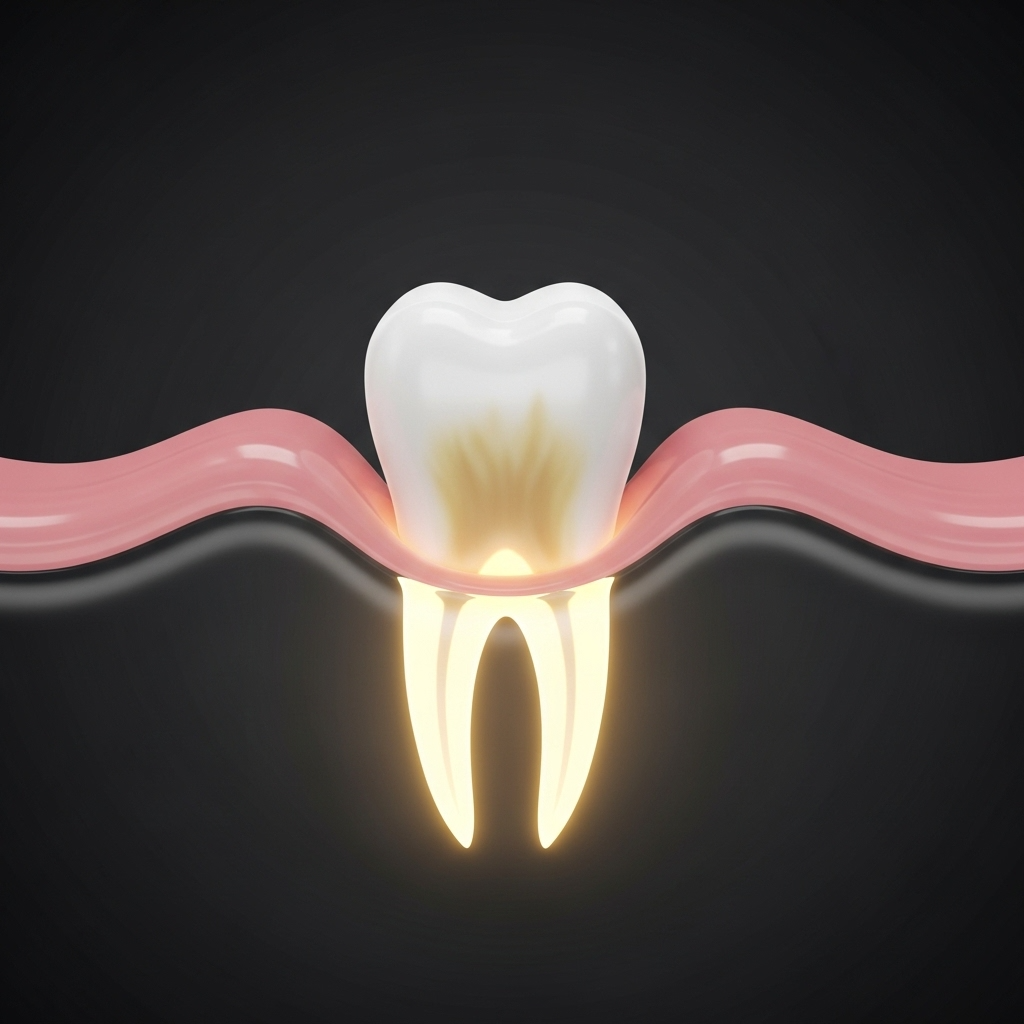
Comprehensive treatment for gum diseases and periodontal health
What is Periodontal Disease and How Does it Occur?
Periodontal disease, commonly known as gum disease, is a chronic inflammatory condition that affects the supporting structures of teeth, including the gums, periodontal ligaments, and alveolar bone. The disease begins with bacterial plaque accumulation on tooth surfaces, which triggers an immune response that leads to inflammation and tissue destruction. Early stage gingivitis is characterized by red, swollen, and bleeding gums, while advanced periodontitis involves bone loss, pocket formation, and potential tooth mobility. Risk factors include poor oral hygiene, smoking, diabetes, genetic predisposition, certain medications, and systemic diseases. If left untreated, periodontal disease can lead to tooth loss and has been linked to various systemic health conditions including cardiovascular disease, diabetes complications, and adverse pregnancy outcomes. Early detection and intervention are crucial for successful treatment and prevention of irreversible damage.
Treatment Methods and Techniques
Our periodontal treatment approach is tailored to each patient's specific condition and disease severity, utilizing both non-surgical and surgical interventions as needed. Non-surgical treatments include professional scaling and root planing to remove bacterial deposits, antimicrobial therapy to target specific pathogens, and laser-assisted therapy for bacterial reduction and tissue healing. For advanced cases, we offer surgical procedures including flap surgery for deep pocket reduction, guided tissue regeneration to restore lost bone and ligament structures, and bone grafting procedures to rebuild compromised bone support. We employ minimally invasive techniques whenever possible, utilizing laser technology and microsurgical approaches that promote faster healing and reduced patient discomfort. Our treatment protocols are evidence-based and continuously updated to incorporate the latest advances in periodontal medicine, ensuring optimal outcomes for our patients.
Preventive Care and Prevention
Prevention is the cornerstone of periodontal health, and our comprehensive preventive care program focuses on maintaining optimal oral hygiene and preventing disease recurrence. We provide personalized maintenance schedules including regular professional cleanings every 3-6 months, periodontal monitoring to track gum health, and ongoing assessment of oral hygiene effectiveness. Our preventive protocols include customized home care instructions tailored to individual needs, specialized oral hygiene products, and lifestyle counseling to address modifiable risk factors such as smoking cessation and diabetes management. We offer ongoing patient education to help individuals recognize early signs of gum disease and maintain effective daily oral hygiene practices. Our goal is to establish long-term periodontal stability and prevent the need for future extensive treatments through proactive care and patient empowerment.
Periodontal Treatment FAQs
Q.Can periodontal disease be treated?
Yes, it can be completely treated in early stages. In advanced stages, it is controlled.
Q.Is periodontal treatment painful?
It is performed painlessly with local anesthesia. Mild discomfort may occur afterwards.
Q.Does periodontal disease recur?
Risk of recurrence is minimized with regular care.
Q.How long does periodontal treatment take?
Treatment duration varies between 1-3 months depending on the type.
Q.Does periodontal disease cause tooth loss?
Yes, if not treated. Tooth loss is prevented with early treatment.
Q.Can I eat normally after periodontal treatment?
Soft foods are recommended in the first days.
Q.Is periodontal disease contagious?
No, it is not contagious but genetic factors can be effective.
Q.Is periodontal treatment covered by insurance?
Most insurance companies partially cover periodontal treatment.