First Dental Exam & Pedodontic Adaptation
Comprehensive pediatric dental examination and growth analysis using play therapy, Tell-Show-Do protocol, and behavioral guidance to eliminate dental anxiety in early childhood.
Clinical Importance of the First Dental Visit in Early Childhood
According to guidelines from the International Association of Paediatric Dentistry (IAPD) and AAPD, a child's first dental visit should take place within 6 months of the first primary tooth erupting or by age 1 at the latest. The primary goal is establishing a trusting emotional bond with the dentist before any toothache or cavity develops, reducing adult dental phobia by 95%. Early detection of jaw misalignment or eruption delays ensures simple interceptive solutions.
Pediatric Behavioral Guidance & Anxiety-Free Protocol
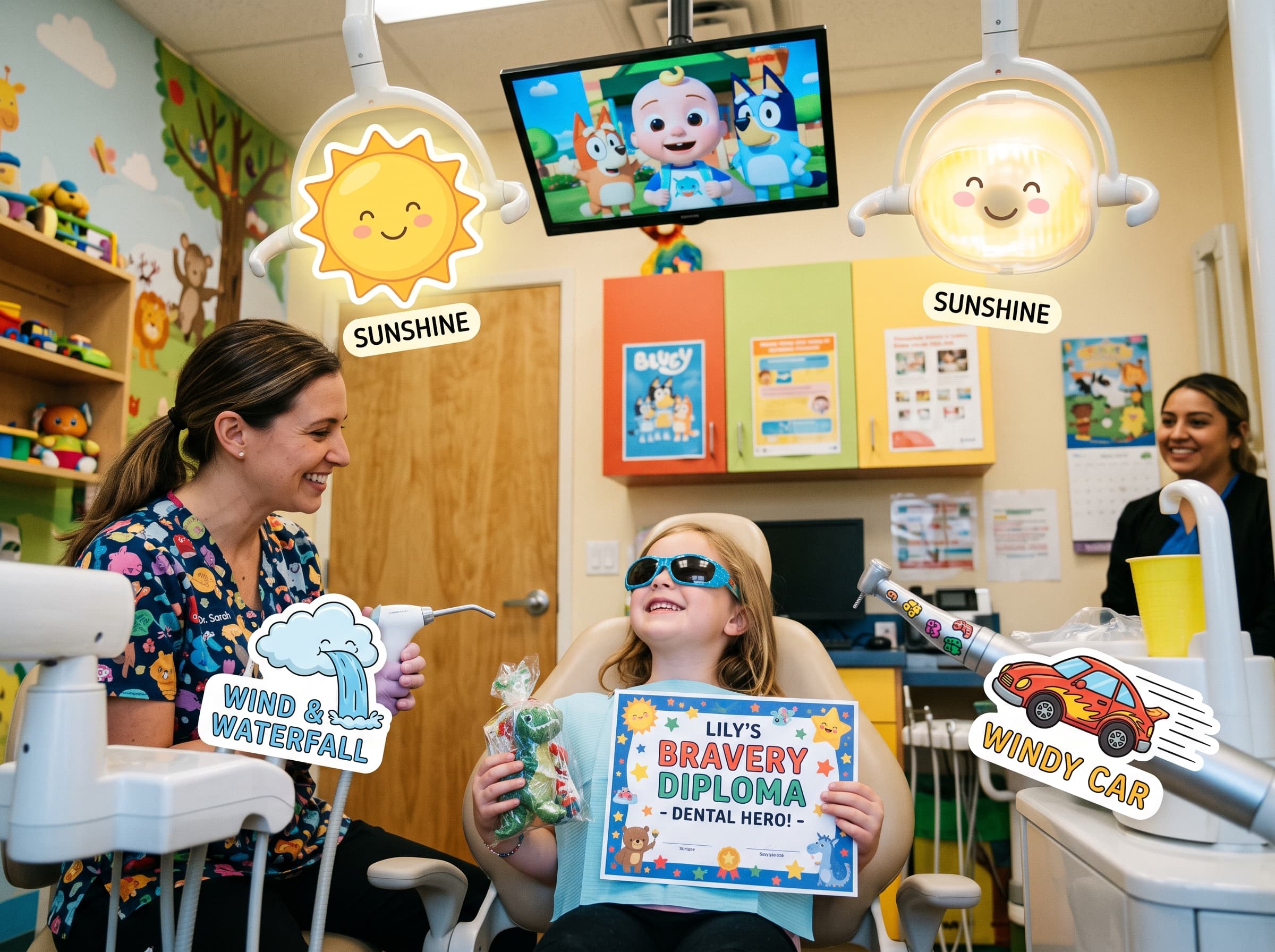
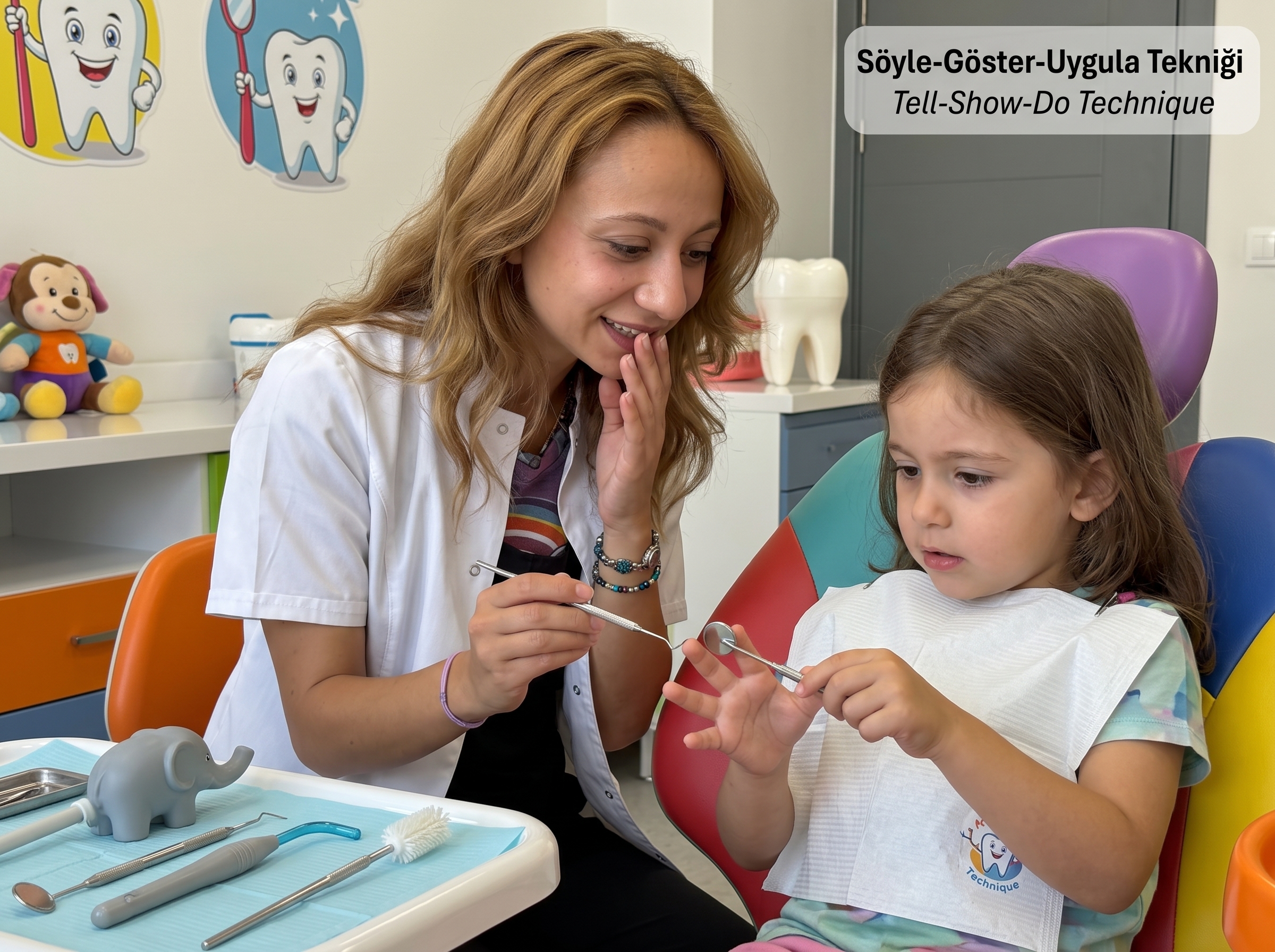
In our pediatric clinic, medical terms are replaced with child-friendly fun names (e.g. air-water spray is called 'wind and waterfall', the dental light is 'bright sunshine'). Children watch their favorite cartoons on ceiling screens with protective sunglasses and receive a 'Bravery Certificate' and surprise gifts at the end of their session.
Bottle Caries Prevention & Habit Correction
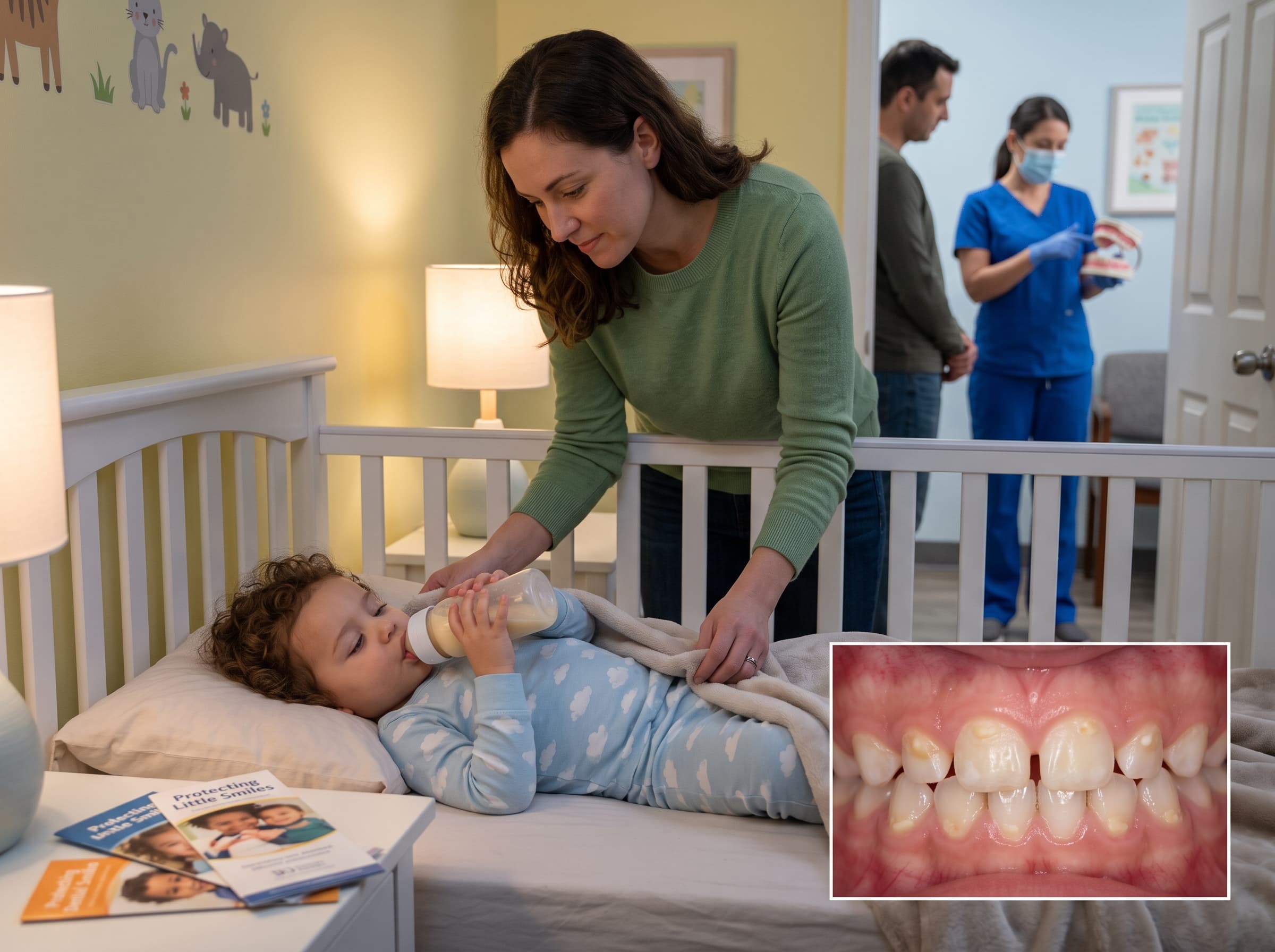
Early childhood caries (nursing bottle decay) often attack upper front teeth when sugary milk, juice, or sweetened pacifiers remain in the mouth during sleep. During the first exam, our specialists assess thumb sucking or tongue thrust habits to prevent permanent jaw bone deformities.
Parent Education: Home Hygiene & Toothpaste Selection
Parents are shown how to clean infant gums with damp gauze and transition to age-appropriate fluoride toothpastes (1000-1450 ppm). Clinical guidelines emphasize active parental assistance during brushing until age 8.
First Dental Exam & Adaptation FAQs
Q.When exactly should my child's first dental exam be scheduled?
According to IAPD recommendations, the first dental visit should be within 6 months of the first tooth erupting, or by age 1 at the latest.
Q.Will the exam be painful or involve any drills?
No, absolutely not. The first exam is a non-invasive, playful introduction using only a mirror and light with zero drilling or needles.
Q.What if my child cries or refuses to sit in the dental chair?
Our pedodontists are trained in child psychology. We never force children; exams can be done on the parent's lap ('knee-to-knee' technique) or in the play area.
Q.How and when should infant oral hygiene begin?
Gums should be wiped with damp gauze even before teeth emerge. Once the first tooth appears, brush twice daily with a soft toothbrush and fluoride toothpaste.
Q.What is bottle tooth decay and how can it be avoided?
Decay caused by nighttime bottle feeding or sweetened pacifiers. Wipe teeth or give water after night feedings to prevent rapid acid destruction.
Q.Are pacifiers and thumb sucking harmful for teeth?
Pacifier use is normal up to age 3-4. Persistent sucking beyond age 4 narrows the upper jaw and alters palate shape, which we evaluate during the exam.
Q.How should parents prepare children before coming to the clinic?
Avoid anxiety-inducing words like 'It won't hurt' or 'No needles'. Simply explain that the dentist will count their teeth and show them fun lights.
Q.How often should routine pediatric dental checkups occur?
Routine checkups should be scheduled every 4 to 6 months depending on the child's cavity risk assessment.