Dental Fissure Sealant Treatment

Non-invasive protective resin sealing of deep pits and fissures on 6-year and 12-year permanent molars to eliminate food trap areas and prevent tooth decay.
Why Seal 6-Year Permanent Molars Immediately Upon Eruption?
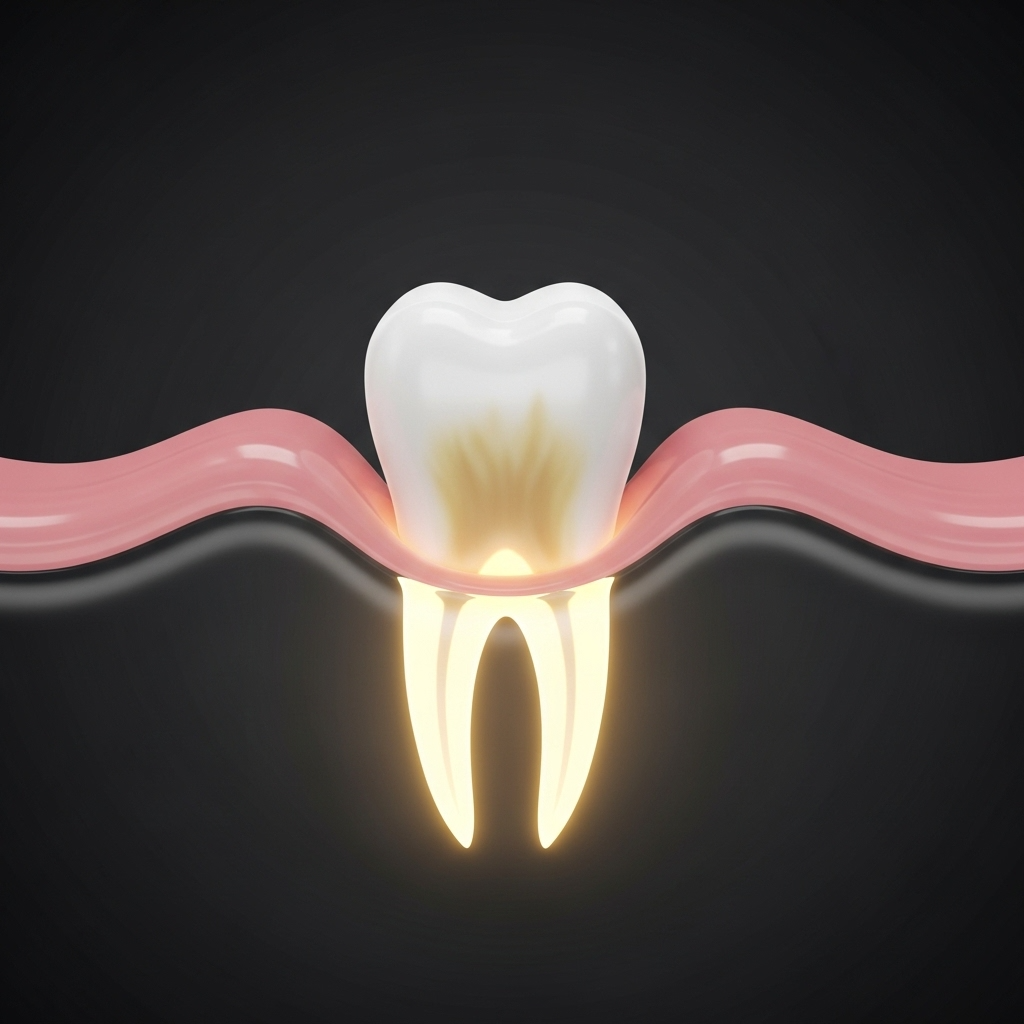
The 1st permanent molars erupting around age 6 behind milk teeth feature deep anatomical grooves (fissures). Toothbrush bristles physically cannot reach the bottom of these narrow grooves, causing over 84% of pediatric cavities. Liquid sealant forms a smooth, impenetrable barrier against plaque and acids.
Micro-Mechanical Bonding & Non-Invasive Flowable Resin
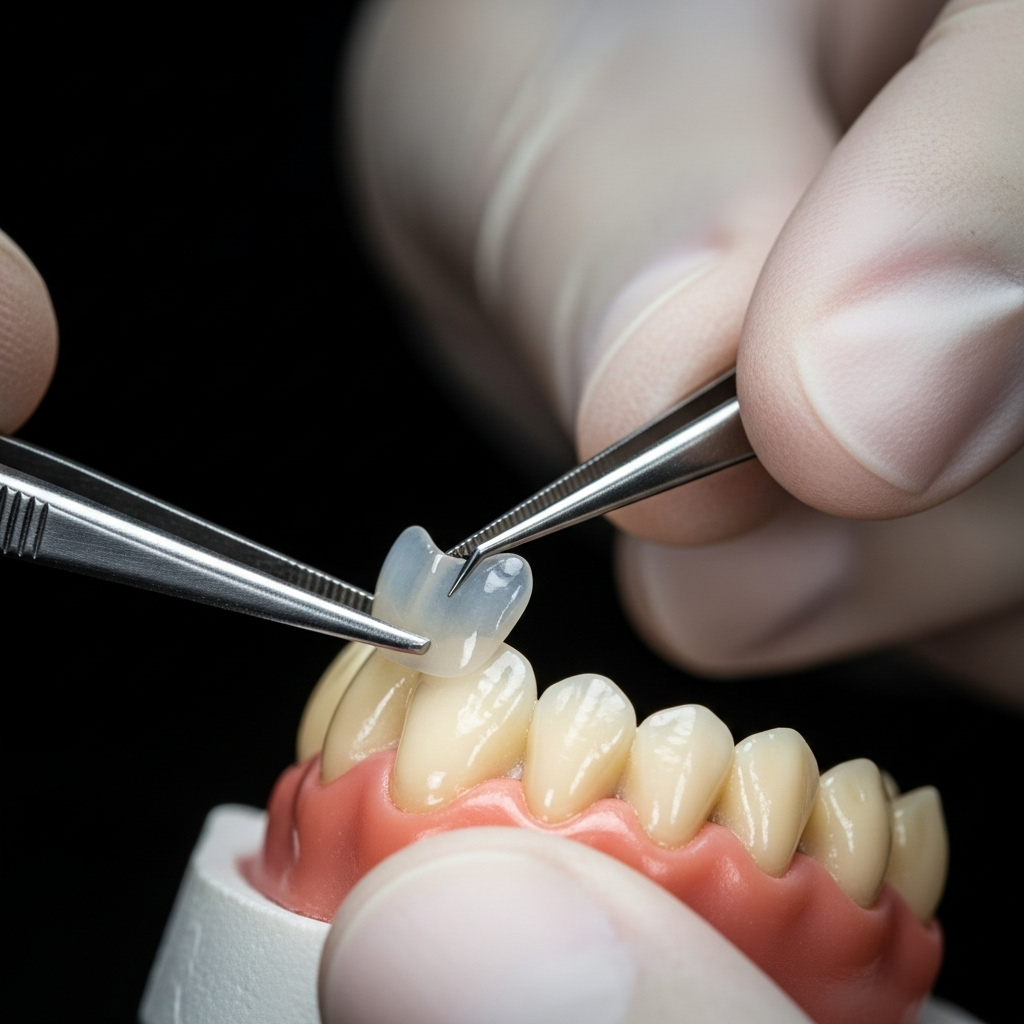
No tooth cutting is involved. Teeth are cleaned, micro-etched for retention, flowable resin is applied into fissures, and hardened in 20 seconds with blue LED light.
Key Differences Between Sealants and Dental Fillings
Sealants are preventive shields placed on healthy teeth without any drilling, while fillings restore already decayed tooth tissue.
Long-Term Occlusal Maintenance & Routine Checkups
Sealants withstand heavy chewing forces. Routine 6-month checkups ensure any worn edges are touched up in 2 minutes without drills.
Dental Fissure Sealant FAQs
Q.Does fissure sealant placement require local anesthesia?
No. Since there is no drilling or enamel cutting, no injections or local anesthesia are required.
Q.How long do dental sealants remain on the teeth?
With proper care, sealants last 3 to 5 years and can be easily touched up during routine checkups.
Q.Can children eat immediately after sealant application?
Yes! The resin hardens 100% instantly under blue light, so children can eat normally right away.
Q.Are sealants applied to primary milk teeth as well?
Mainly to 6-year and 12-year permanent molars, but high-cavity-risk primary molars can also be sealed.
Q.Will the tooth decay if a sealant falls off?
Resin tag micro-pores continue to protect enamel, but touching up the sealant at the next checkup is recommended.
Q.Is there any harm or damage to natural tooth structure?
None at all. It is a 100% conservative preventive procedure.
Q.Does having sealants eliminate the need for tooth brushing?
No. Sealants protect chewing grooves; brushing and flossing remain essential for interdental areas.
Q.How does the cost of sealants compare to dental fillings?
Sealants are significantly more affordable and quicker than filling damaged teeth.